

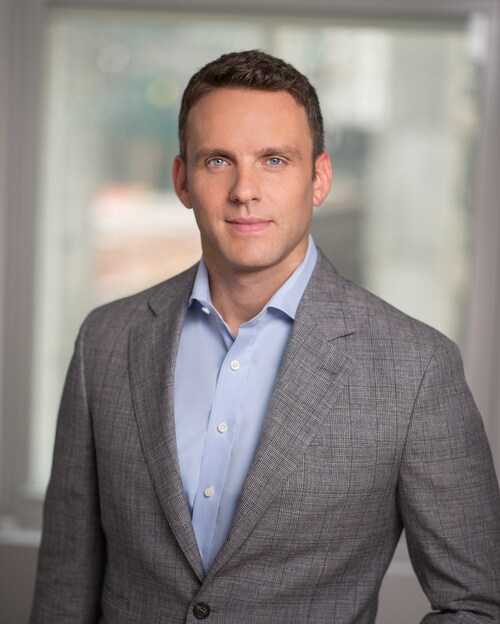
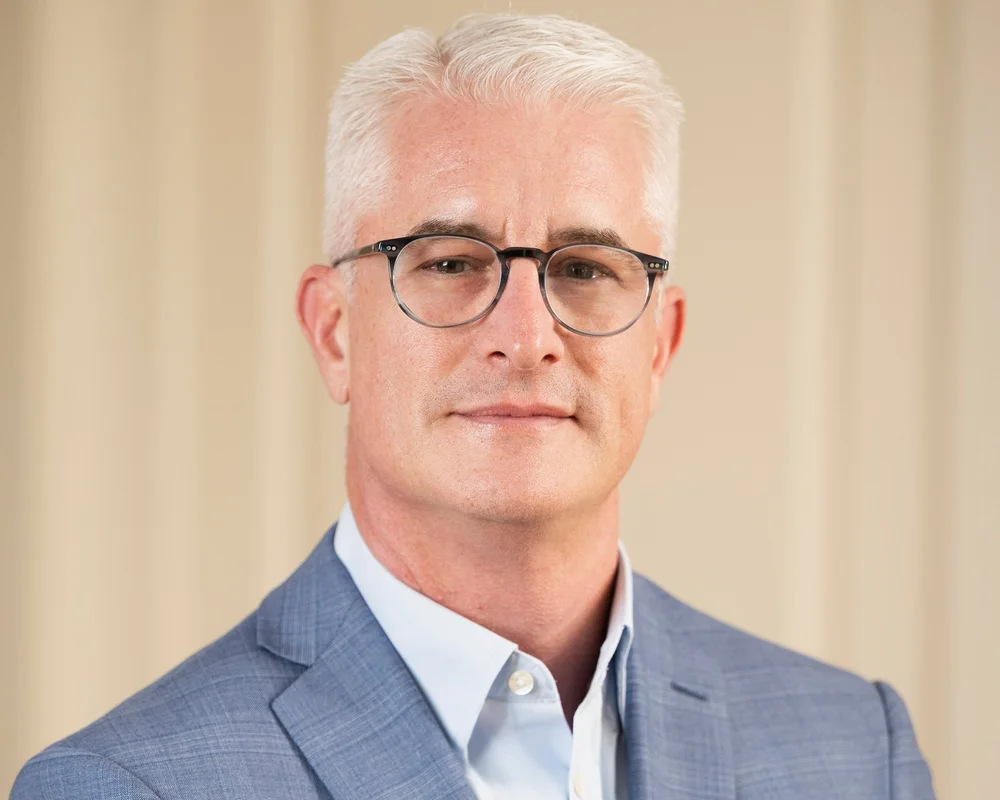

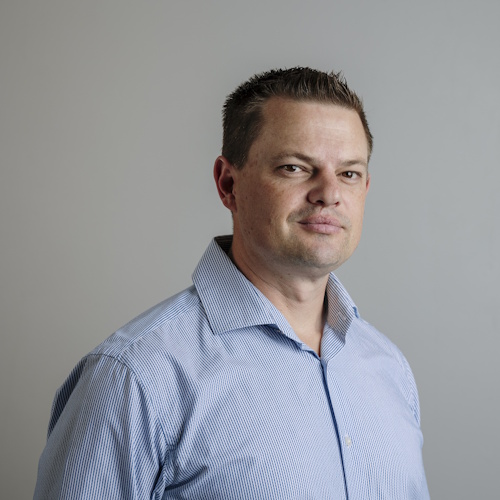
 Buildouts of fiber-to-the-home infrastructure are happening in markets all over the country now, and it’s happening due to the entrepreneurship of small groups, not large companies. One such rising FTTx star is Ripple Fiber, which has been adding new markets and homes passed at a prodigious rate. With us today is Founder and CEO Greg Wilson to talk about how they are doing it and how they view the last mile business overall.
TR: What is your background, and how did you come to found Ripple Fiber.
GW: I’ve been in the telecommunications industry for the last 25 years, predominantly in South Africa. South Africa was very early to fiber because we didn’t have any cable networks. We jumped straight from DSL to fiber. And because we (I and a couple private equity partners I’ve done many deals together with before) realized we were early, we then looked elsewhere in the world for another place where we could be relevant with our capital and skill set. The US is quite a fractured market from a telecommunications perspective. It is conducive to new incumbents in the market from a legislation perspective and still has lots of runway and lots of fiber needed. So we ran a little proof of concept just south of Charlotte, North Carolina to understand the market a bit more. What are the ARPUs going to be like? What is the cost of build? What are the specific challenges around the US industry? We liked what we saw, so we capitalized the business properly. I moved my family to Charlotte from Johannesburg, and we are busy scaling the business now.
TR: What does the company look like today, two years or so later?
GW: Today, we’re in 10 different states. We have 250,000 passings, and we are adding 15-20K passings a month to the platform at the moment. We are in the aggressive build-out phase of our business. We didn’t come here to build a small business. We’ve built an amazing team. One of the phenomenal parts of being in America is the access to talent. There are phenomenal people here, and you can build great teams quickly
TR: What kind of markets are you targeting?
GW: It is suburban areas and towns that are close to the bigger metros. Typically, people would live there for lifestyle choices but still feed off the economy of the larger city within a 45-minute drive of the city. Obviously, we don’t want there to be any fiber there already. We currently don’t overbuild other fiber players. They’ll probably have a cable provider. And there’ll be mostly suburban single-family homes, with some MDU and business mixed in.
TR: That seems like the kind of market that would be cherry-picked quickly. Why do you think there are still so many such opportunities in the US?
GW: I think because the US had cable, there was nervousness to invest in fiber on a large scale. With cable there that can provide a gig, will customers buy fiber? And will there be enough penetration to get a return on investment? But I think COVID changed all of that. It really showed that people need fiber and changed trends of how many people were working from home versus working in the office. Since then it’s just been a race. How quickly can you actually roll out this infrastructure? There’s nobody that can wave a magic wand even if they have all the money in the world. It’s a long, hard, complex process. Every city has its nuances, and if you don’t have a good relationship with the city, you’re not rolling out fiber. You have to get that right first.
TR: Despite that, you have made a lot of progress in just two years. What’s your secret?
GW: There’s been a lot of what we call fiber-to-the-press where people promise the city that they’re coming. Then they don’t come, and they damage their reputation. We’ve been very careful that when we do commit to a city, we do come in and we do build it. We do deploy the capital. And then we make sure that our team has the autonomy to meet the city’s requirements. If the city has a project going on, we try to dovetail. We help the city with their initiatives and we make sure we educate the city about what a successful fiber rollout looks like. And that I think buys us credibility with the cities and also enables our team to mold our offering around the city’s needs. That ends up in successful projects. It’s still not a quick process. Sometimes it takes us six months from first engaging with the city until we’ve got some form of agreement in terms of how we’ll move it forward. You have to size your funnel to make sure that you can feed the build engine.
TR: What does your funnel look like right now? Do you have new territory you want to open up?
GW:, I think we have really opened up all the states that we intend to now. There are 300 different municipalities that we’re working with, and they’re all in different phases. Some are busy being built, some are just about to be built, and some are at an early stage of engagement. But that funnel will give us in excess of 1.5 million passings.
TR: How long do you think it will be before the good markets are all claimed?
GW: My feeling is we’ve got two years left to plant flags. The building will continue for a lot longer, but you won’t be opening up new markets. If you haven’t already anchored yourself in a market within the next 18 months to two years, there won’t be any white space for you to operate within.
TR: At that point, it will be all about operations, right? How do you think the industry is handling the operations side of the FTTx business?
GW: If you haven’t already solved the operational side of your business, you’re already in a world of pain. I do think the capital in the beginning was very much supportive of just getting the land grab done and solving the operational side later. But I think that’s already pivoted, and the capital is now demanding that the passings come with subscribers. And if you don’t have the subscribers, the capital will dry up and you won’t be able to do the build out.
TR: Do you also build out any middle mile infrastructure?
GW: If there’s already middle mile, we’ll purchase that middle mile from a provider. We will build middle mile ourselves if we want to build out a residential area that doesn’t already have it. But I’d say 90% of the markets that we go to have already got a middle-mile provider that meets our needs.
TR: How have cable operators competed with you in the markets you have built out in?
GW: They’ve certainly been more agile and aggressive than I expected in terms of client retention, but I think the only tool that cable has with the consumer is price. And I think the consumer has become fairly price-insensitive where there’s a lack of service. If the two service levels are the same, sure, they’ll take a cheaper deal. But they’re not going to take a savings of $30-40/month and accept a worse service. They’d rather just pay the price of a meal and get great, reliable internet service at their home. So while the cable competitors have been super aggressive, I don’t think it’s really working.
TR: How do you view M&A as a means of expansion?
GW: I think there needs to be consolidation in the market on a number of different levels. I think that there are operators that are good at building but potentially don’t have the capital that they need, don’t have the supporting systems, legal support, or governmental support. There is the potential to come in and enhance those entrepreneurs to build and scale their businesses, while giving them all the support of our brand and our supporting structures. So where that environment happens, we would be interested in inorganic expansion.
We would look for something that’s already a clean network and with a product catalog not too dissimilar to ours. They would need to have made smart equipment decisions. Ideally, there’d still be some runway around the existing market to build additional passings. And the price would need to be right. And in terms of size, we can’t go super small, like less than 3-4,000 passings. But on the upper end, there’s a wide range of deals that we could do.
TR: Do you feel we are entering a period of consolidation?
GW: I think we’re already in it. I think there’s a large number of players that have reached the maximum of the runway in their current format and need some sort of change to be able to move forward. I think there are some platforms that have already had great upside in the equity investment and are just ready for an exit. Some haven’t reached scale yet, are not cash positive, and can’t attract new capital. And some will just be ready to plan for the future. What scale is needed, and is it better to partner up for the next run?
TR: What challenges lie ahead as the industry rolls out all this FTTx?
GW: I think we need to be careful as an industry in terms of how we play in the next couple of years, especially as overbuilders. We need to be very coherent and disciplined with our rollout. We need to work together, not against each other. We’re all in this to maximize return on investment, and the way we’re going to do that is by building coherent, good quality networks with great service levels, and by keeping ourselves open to be able to partner with our current competitors. In the future, we could be collaborators and we need to keep those relationships open.
TR: Thank you for talking with Telecom Ramblings!
If you haven't already, please take our Reader Survey! Just 3 questions to help us better understand who is reading Telecom Ramblings so we can serve you better!
Categories: FTTH · Industry Spotlight Join Our LinkedIn Group
 Jim Schwartz on Metro Bytes: LSC, FiberLight, RightFiber, Ezee Fiber, LOGIX: “Hey Rob, thanks for the mention about our expansion into Michigan. We appreciate it.” Feb 25, 08:52


Discuss this Post